
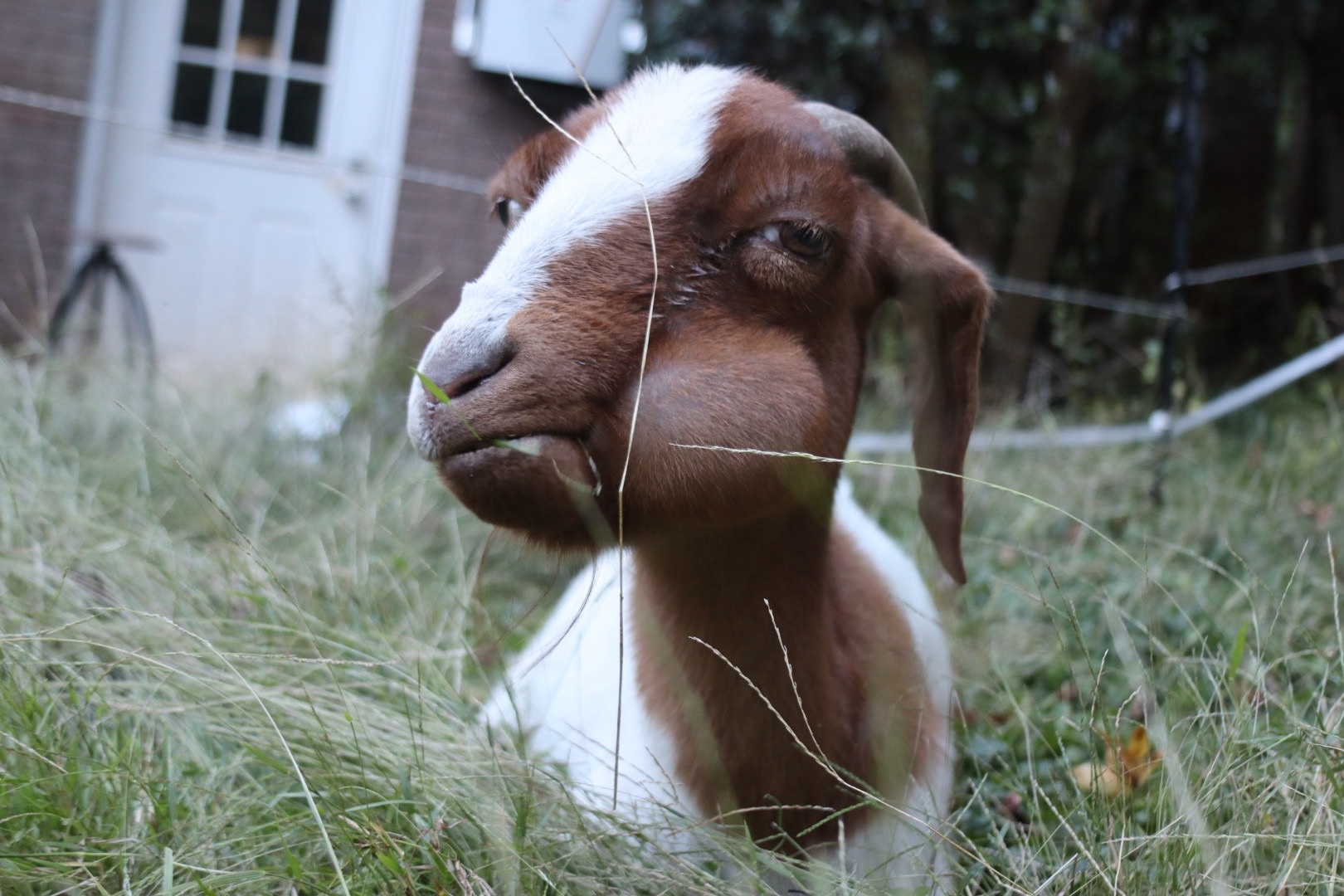
I think many kids want to be be veterinarians when they grow up, I certainly did, and I should have stayed true to that course. Unfortunately, though I got transfixed by humans and saving the world, and I didn’t have a PhD in Biology to set my head back on straight.


On this journey I can honestly recommend no better guide than Dr. Lynn Griner. I tell you in truth I know very little about the person, but I can speak to his science.
Dr. Griner was a vet and comparative pathologist in the era before personal computers and wrote the book Pathology of Zoo Animals (1983) that first introduced him to me while revolutionizing the practice of comparative pathology at the largest Zoological Society in the world then — The San Diego Zoo. Actually, I don’t know if what the largest zoological society in 1983, because this was in decades before bragging about such details was done. Nonetheless, as I am always out of time, I digress.
What makes Dr. Griner’s science writing so compelling is the problem that guides him, and on my farm believe me I have come to know it well. Animals don’t speak, especially after they have surrendered to an injury or infection, but they do everything else that we humans admire and do. Animals care for each other and bully the weak, they hurt and kill other animals, and lay down their own safety and life for others. Animals grieve and suffer, find amusement and joy in play and the simple things. In other words they are as extraordinary as us, every last species has their own unique and common sense.
Dr. Griner of course doesn’t engage in any of my wanderlust speculation because he was too focused on conducting the Herculean efforts of conducting and reporting on similarities and differences from necropsies, over 12,000 specimens, compromising at least 2,000 species and subspecies. Ponder that for a moment, and then to restate, Dr. Griner’s opus is that he developed the ability to interpret from silence of deceased physiology the cause of morbidity and mortality. Draw in breath. Is it even possible to do such a feat?
Dr Griner’s formula, if such a strategy can even be emulated by others, clearly starts with inability to accept the absence of understanding why and how and animals life ended. Knowledge of causes was clearly Dr. Griner’s overarching objective. To this end he starts with broad hypothesis and accepts what is known and unknown constructively. Then he observes and measures and is honest about what he ascertains.
There are so many examples I look forward to recounting. However, I won’t disclose anymore pearls from his book today.
I have my herds to care for and students to teach, but I just want to give thanks for science, animals, and Dr. Griner’s book and I assure anyone who reads this humble little post that I will continue to learn from his approach and reflections.